
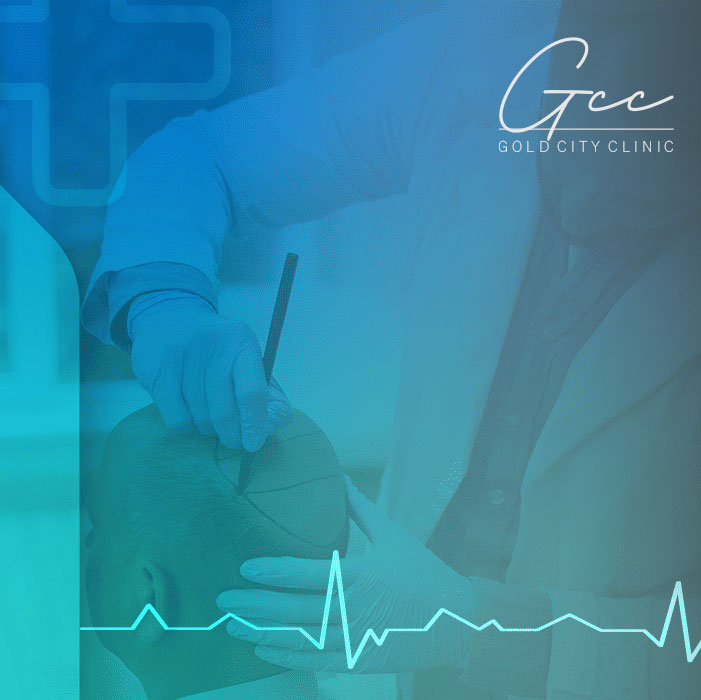
PRP Benefits for Hair Transplant – Worth It?
PRP Benefits for Hair Transplant – Worth It? Are you considering a hair transplant procedure but wondering if there is anything you can do to enhance the results? PRP therapy may be the answer you’re looking for. PRP, which stands for Platelet-Rich Plasma, is a revolutionary treatment that can significantly improve the outcomes of a hair transplant. In this article, we will delve into the advantages of PRP therapy when combined with a hair transplant and help you decide if it’s worth considering.
Key Takeaways:
- PRP therapy can enhance the results of a hair transplant.
- It promotes faster recovery, improved growth, and reduces the risk of complications.
- PRP therapy stimulates dormant hair follicles, leading to thicker, fuller hair.
- The procedure involves the preparation of PRP injections and their application during the transplant.
- Potential candidates for PRP therapy are individuals with thinning hair, pattern baldness, or slow hair growth post-transplant.
Understanding PRP Therapy for Hair Transplants
If you’re considering a hair transplant procedure, you may have come across the term PRP therapy. PRP stands for platelet-rich plasma, and it is a cutting-edge treatment that has gained popularity in the field of hair restoration. But what exactly is PRP therapy and how does it work to promote healing and hair regrowth?
PRP therapy involves using the patient’s own blood to extract a concentrated solution of platelet-rich plasma. Platelets are rich in growth factors and other bioactive proteins that play a crucial role in tissue repair and regeneration. When injected into the scalp during a hair transplant procedure, PRP stimulates the hair follicles, promoting hair growth and improving the overall outcome of the transplant.
PRP therapy can enhance the effectiveness of a hair transplant by nourishing the transplanted hair follicles and improving their survival rate. It also accelerates the healing process, reduces inflammation, and encourages the growth of new blood vessels, providing a favorable environment for hair regrowth.
One of the primary benefits of PRP therapy is its ability to stimulate dormant hair follicles, particularly in individuals with thinning hair or early stages of hair loss. By rejuvenating these follicles, PRP can help achieve thicker, fuller hair regrowth. This therapy is often recommended for individuals who want to enhance their hair transplant results or those looking for non-surgical alternatives to treat hair loss.
- Improved hair growth
- Enhanced transplant results
- Reduced recovery time
- Diminished risk of complications
In some cases, PRP therapy may be used as a standalone treatment for hair restoration, without the need for a hair transplant. However, combining PRP therapy with a transplant procedure can maximize the benefits and provide more comprehensive results.
How PRP Therapy Works
PRP therapy harnesses the healing power of platelets to stimulate hair regrowth. During the procedure, a small amount of blood is extracted from the patient’s arm and spun in a centrifuge to separate the platelet-rich plasma from the rest of the blood components. The concentrated PRP solution is then carefully injected into the scalp, targeting areas of hair loss or thinning.
The growth factors and other proteins present in PRP trigger natural hair growth by nourishing the hair follicles and stimulating the production of new cells. The regenerative properties of PRP also promote tissue repair and provide a healthy environment for optimal hair growth.
In addition to promoting hair regrowth, PRP therapy can improve the density and quality of existing hair, making it a valuable treatment option for individuals with thinning or brittle hair.
| BENEFITS OF PRP THERAPY FOR HAIR TRANSPLANTS | DESCRIPTION |
|---|---|
| Enhanced hair growth | PRP stimulates dormant hair follicles, leading to thicker and fuller hair growth. |
| Improved recovery time | PRP accelerates the healing process and reduces downtime after a hair transplant. |
| Reduced risk of complications | PRP therapy helps minimize the risk of infection and other post-transplant complications. |
The Benefits of PRP with Hair Transplantation
When it comes to hair transplantation, combining PRP therapy with the procedure has shown numerous benefits. PRP stands for Platelet-Rich Plasma, which is derived from a patient’s own blood and contains growth factors that stimulate tissue repair and regeneration. By incorporating PRP into the hair transplant process, patients can experience improved recovery time, enhanced growth results, and reduced risk of complications.
Improved Recovery Time:
One of the key benefits of PRP therapy with hair transplantation is the accelerated recovery time. The growth factors in PRP help to promote healing and minimize inflammation, allowing patients to resume their normal activities sooner.
Enhanced Growth Results:
PRP therapy has been shown to promote hair regrowth and enhance the results of a hair transplant procedure. The growth factors in PRP stimulate the activity of hair follicles, leading to thicker, denser hair over time. This can result in more natural-looking and long-lasting outcomes for patients.
Reduced Risk of Complications:
By incorporating PRP therapy with hair transplantation, the risk of complications can be minimized. The growth factors in PRP help to improve the overall health of the scalp and hair follicles, reducing the chances of infections or adverse reactions.
“PRP therapy offers significant benefits for individuals considering a hair transplant. It not only speeds up the recovery process but also enhances the growth results. By incorporating PRP with a hair transplant, patients can achieve a more successful and satisfying outcome.”
Overall, PRP therapy is a valuable addition to the hair transplant process. Its benefits include improved recovery time, enhanced growth results, and reduced risk of complications. By considering PRP with hair transplantation, individuals can achieve their desired hair restoration goals more effectively.
| Benefits of PRP with Hair Transplantation |
|---|
| Improved recovery time |
| Enhanced growth results |
| Reduced risk of complications |
PRP Therapy: How It Enhances Hair Transplant Recovery
After undergoing a hair transplant, one of the key concerns for patients is a smooth and speedy recovery. That’s where PRP therapy comes in. PRP, or Platelet-Rich Plasma, is a revolutionary treatment that can significantly enhance the healing process and promote optimal hair transplant recovery.
PRP therapy for hair transplant recovery involves extracting the patient’s own blood, processing it to isolate the platelet-rich plasma, and then injecting it into the transplant sites. The PRP is rich in growth factors and proteins that stimulate cell regeneration and promote tissue repair, helping to accelerate the healing process.
PRP therapy has shown remarkable results in enhancing the recovery process after a hair transplant. It not only reduces discomfort and inflammation but also supports the healing of the transplanted hair follicles, ensuring a successful outcome.
One of the key benefits of PRP therapy is its ability to reduce downtime and discomfort. The growth factors present in PRP act as natural pain relievers and anti-inflammatory agents, minimizing post-transplant soreness and swelling. By speeding up the healing process, patients can expect a quicker return to their daily activities.
In addition to reducing discomfort, PRP therapy also enhances the growth of transplanted hair follicles. The growth factors in PRP stimulate the dormant hair follicles, promoting their activation and ensuring optimal hair regrowth. This leads to thicker, fuller hair and better overall transplant results.
Furthermore, PRP therapy minimizes the risk of complications during the recovery period. The growth factors in PRP promote proper tissue healing and reduce the chances of infection or graft failure. This provides patients with peace of mind, knowing that their hair transplant recovery is being supported by a proven and effective treatment.
PRP Therapy for Hair Transplant Recovery: Key Benefits:
- Reduced discomfort and inflammation
- Accelerated healing process
- Enhanced growth of transplanted hair follicles
- Reduced risk of complications
| Benefit | Description |
|---|---|
| Reduced discomfort and inflammation | The growth factors in PRP act as natural pain relievers and anti-inflammatory agents, minimizing post-transplant soreness and swelling. |
| Accelerated healing process | The growth factors in PRP promote cell regeneration and tissue repair, speeding up the recovery process after a hair transplant. |
| Enhanced growth of transplanted hair follicles | The growth factors in PRP stimulate dormant hair follicles, leading to thicker, fuller hair and better overall transplant results. |
| Reduced risk of complications | PRP therapy supports proper tissue healing, minimizing the risk of infection or graft failure during the hair transplant recovery period. |
PRP for Hair Regrowth: How It Works
PRP treatment for hair transplant offers a promising solution for individuals experiencing hair loss or thinning hair. By understanding the mechanism of PRP therapy, we can uncover how it stimulates hair regrowth and enhances the appearance of thicker, fuller hair.
Platelet-Rich Plasma (PRP) injection for hair loss involves extracting a small sample of the patient’s blood. This blood is then spun in a centrifuge machine to isolate the platelets, which contain a concentrated amount of growth factors. These growth factors are essential for promoting tissue regeneration and stimulating new hair follicle formation.
Once the PRP is prepared, it is injected into the scalp at specific locations where hair growth is desired. The growth factors in the PRP initiate a cascade of biological reactions that stimulate dormant hair follicles, encouraging them to enter the active growth phase.
Furthermore, PRP therapy improves blood circulation to the scalp, ensuring better nutrient and oxygen supply to the hair follicles. This increased blood flow nourishes the hair follicles, promoting their vitality and facilitating healthier hair growth.
In summary, PRP treatment for hair transplant works by:
- Utilizing the growth factors present in platelet-rich plasma to initiate tissue regeneration and promote hair follicle formation.
- Stimulating dormant hair follicles to enter the active growth phase, resulting in thicker and fuller hair.
- Improving blood circulation to the scalp, ensuring better nutrient and oxygen supply to the hair follicles for enhanced hair growth.
With its natural regenerative properties, PRP therapy offers a safe and effective option for hair regrowth in conjunction with a hair transplant. By harnessing the power of the body’s own healing mechanisms, PRP treatment can significantly improve the outcomes of hair restoration procedures.
“PRP treatment for hair transplant works by utilizing the growth factors present in platelet-rich plasma to initiate tissue regeneration and promote hair follicle formation.”
The Procedure: Hair Transplant with PRP
Combining a hair transplant with PRP therapy can provide enhanced results and accelerate the healing process. This section will walk you through the step-by-step procedure of a hair transplant with PRP, including the preparation of PRP injections and their application during the transplant.
1. Preliminary Consultation
Prior to your hair transplant with PRP, you will have a consultation with a qualified specialist. During this session, you can discuss your goals and expectations, as well as any concerns or questions you may have. The specialist will assess the condition of your scalp and hair, determining if you are a suitable candidate for the procedure.
2. Harvesting of PRP
The next step involves the collection of your own platelet-rich plasma (PRP). This is done through a simple blood draw, similar to any regular blood test. Once the blood is drawn, it is placed in a centrifuge machine, which separates the plasma rich in platelets from other blood components. The resulting PRP is then collected and prepared for application.
3. Hair Transplantation
The hair transplant procedure involves removing healthy hair follicles from donor areas, typically the back or sides of the scalp, and transplanting them into the balding or thinning areas. This is typically done using the follicular unit extraction (FUE) technique, which ensures minimal scarring and a natural-looking result.
4. PRP Application
Once the hair transplant is complete, the PRP solution is applied to the transplant sites. The PRP is carefully injected using thin needles, targeting the areas where the transplanted hair follicles are placed. This helps promote healing, stimulate hair growth, and improve the overall success rate of the transplant.
5. Post-Procedure Care
After the procedure, your specialist will provide you with detailed instructions on how to care for your scalp and transplanted hair. This may include recommendations for gentle washing, avoiding strenuous activities, and using specialized products to support the healing process.
| Procedure Steps | Description |
|---|---|
| Preliminary Consultation | Discuss goals, assess suitability |
| Harvesting of PRP | Blood draw, PRP separation |
| Hair Transplantation | Extraction and transplantation of hair follicles |
| PRP Application | Injection of PRP into transplant sites |
| Post-Procedure Care | Instructions for scalp and hair care |
By combining a hair transplant with PRP therapy, you can optimize the effectiveness of the transplant and enhance the overall outcome. The PRP injections help stimulate hair follicle growth, improve blood circulation, and support healing, resulting in a fuller and more natural-looking head of hair.
Who Can Benefit from PRP with Hair Transplantation?
Incorporating PRP therapy into a hair transplant procedure can offer numerous benefits for individuals struggling with hair loss. This innovative treatment can stimulate hair regrowth, enhance recovery, and improve overall transplant results.
PRP therapy is particularly beneficial for individuals with thinning hair, pattern baldness, or those who have experienced slow hair growth after previous transplant procedures. Additionally, it can be a suitable option for individuals who are looking for a natural and non-invasive approach to hair restoration.
By injecting platelet-rich plasma into the scalp, PRP therapy promotes the growth of dormant hair follicles and improves the density and thickness of existing hair. This results in a fuller and more natural-looking head of hair.
Furthermore, PRP therapy can accelerate the healing process and reduce the risk of complications following a hair transplant. The growth factors present in PRP promote tissue repair and regeneration, facilitating the recovery of the transplant sites.
Overall, the combination of PRP therapy with a hair transplant offers a comprehensive solution for individuals seeking to regain their confidence and restore a fuller head of hair. The benefits of PRP therapy extend beyond the transplant procedure itself, providing long-term results and improving the overall quality of hair.
Are There Any Side Effects or Risks Associated with PRP Therapy?
Before deciding to undergo PRP therapy in conjunction with a hair transplant, it is important to understand the potential side effects and risks associated with this treatment. While PRP therapy is generally considered safe and minimally invasive, there are a few considerations to keep in mind.
One possible side effect of PRP therapy is mild discomfort or pain at the injection site. This is typically temporary and can be managed with over-the-counter pain relievers. Additionally, some patients may experience swelling, redness, or bruising in the treated area – although these side effects are generally mild and subside within a few days.
There are very few serious risks associated with PRP therapy for hair transplants. Since PRP is derived from the patient’s own blood, there is a minimal risk of infection or allergic reaction. However, it is always important to choose a reputable and experienced medical professional to perform the procedure to minimize the risk of complications.
It is worth noting that PRP therapy has been used for various medical purposes for many years, including in orthopedics and dermatology, with a low incidence of adverse effects. When performed by a qualified medical practitioner, the risks associated with PRP therapy in hair transplants are minimal.
“PRP therapy offers numerous benefits for hair transplant patients, with minimal risk of side effects or complications. However, it is essential to choose a qualified medical professional to ensure safe and effective treatment.”
Conclusion
After exploring the benefits, procedure, and potential risks of combining PRP therapy with a hair transplant, the question remains: Should I get PRP with my hair transplant? The answer depends on your individual needs and goals.
For individuals seeking improved hair growth results and faster recovery times, PRP therapy can be a valuable addition to the hair transplant process. The use of PRP injections during transplantation can enhance the healing process, reduce the risk of complications, and promote the growth of thicker, fuller hair.
However, it is essential to consult with a qualified hair transplant specialist to determine if PRP therapy is suitable for you. Factors such as your hair loss pattern, overall health, and previous transplant experiences will be considered in making an informed decision.
In conclusion, while PRP therapy can offer significant benefits for hair transplant patients, it is crucial to have a thorough understanding of the procedure, potential risks, and expected outcomes. By seeking professional advice, you can make an informed decision about whether PRP therapy is the right choice to enhance your hair transplant results.
FAQ
Should I get PRP with my hair transplant?
Combining PRP therapy with a hair transplant can provide several benefits, including improved recovery time, enhanced growth results, and reduced risk of complications. However, the decision to get PRP therapy should be discussed with your transplant surgeon to determine if it is the right option for you.
What are the benefits of PRP therapy?
PRP therapy offers various benefits when used in conjunction with a hair transplant. It can promote faster healing, reduce inflammation, stimulate hair growth, and improve the overall outcome of the transplant procedure.
How does PRP therapy enhance hair transplant recovery?
PRP therapy can speed up the recovery process after a hair transplant by promoting tissue regeneration, reducing inflammation, and improving wound healing. This can result in reduced discomfort and a quicker return to normal activities.
How does PRP work for hair regrowth?
During a hair transplant, PRP is injected into the scalp to stimulate hair follicles and promote new hair growth. The enriched growth factors in PRP help activate dormant hair follicles and encourage thicker, healthier hair.
What is the procedure for combining a hair transplant with PRP?
When getting a hair transplant with PRP therapy, your surgeon will first harvest a sample of your blood to extract the platelet-rich plasma. This plasma is then prepared and injected into the scalp during the transplant procedure to promote healing and hair growth.
Who can benefit from PRP with hair transplantation?
PRP therapy with a hair transplant is beneficial for individuals with thinning hair, pattern baldness, or a history of slow hair growth post-transplant. It can also be suitable for those who want to enhance the overall results of their hair transplant procedure.
Are there any side effects or risks associated with PRP therapy?
Generally, PRP therapy is considered safe with minimal risks. However, potential side effects may include temporary scalp discomfort, redness, or swelling at the injection sites. It is important to discuss any concerns with your surgeon before undergoing the procedure.